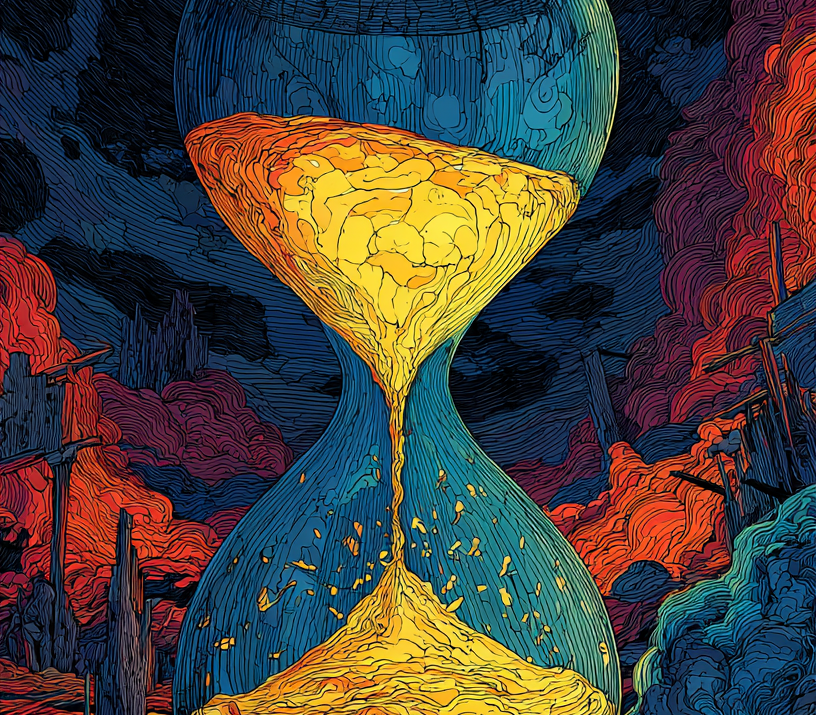

There is a particular kind of pain that only arrives late — the realization that something mattered more than you knew, and you treated it like it would always be there. Psychologists call it the illusion of permanence: the assumption that things will stay as they are, that there will always be more time. Seneca, Jung, and Kierkegaard all warned us that what you delay becomes what you regret.

Most self-destruction doesn’t look dramatic — it happens in the quiet moments when you lower your head, accept less than you deserve, or silence yourself to keep the peace. These eight principles, drawn from Stoicism, Jungian psychology, and Nietzsche, reveal the invisible patterns that keep you stuck. The moment you stop breaking yourself is the moment your life stops breaking too.

A cluttered room is easy to dismiss — you’ll deal with it when things slow down. But psychology and philosophy both suggest the mess isn’t the problem. It’s the message. What your space looks like is often a portrait of where you stand emotionally, and understanding that changes everything about how you approach the cleanup.
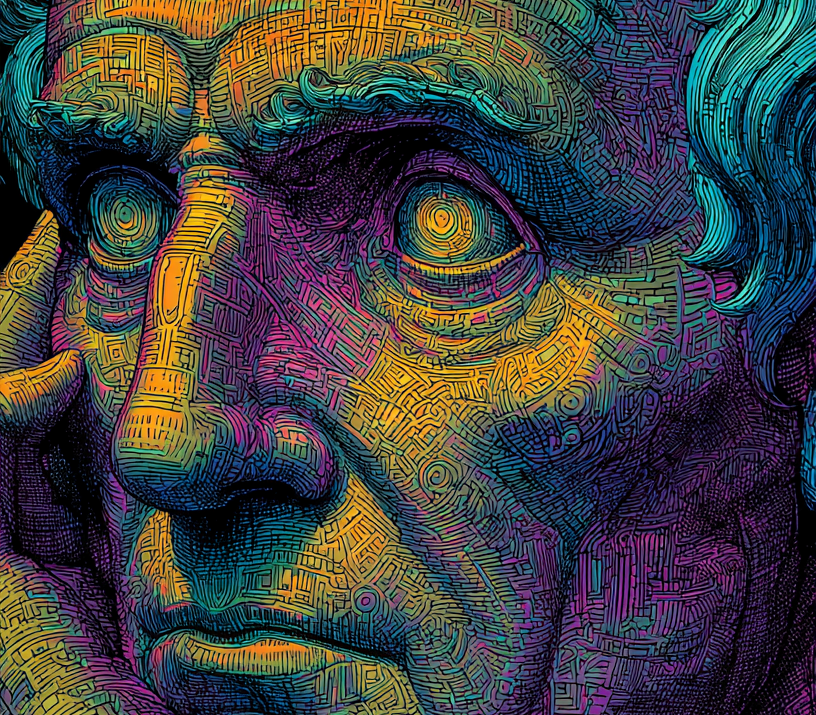
Not every threat arrives loudly. The people who cost you the most are rarely the ones who announce their intentions. Philosophers from Machiavelli to Seneca spent centuries mapping these types of toxic people — and their warnings are more relevant than ever. Here are eight patterns to recognize before the damage becomes too familiar to see.

Mental strength in the Stoic tradition does not look like aggression or relentless pushing. It looks like the pause before a reaction, the boundary held without guilt, the peace protected without apology. These 10 signs reveal what a genuinely strong mind actually looks like — and most of them are quieter than you would expect.

Your mind generates tens of thousands of thoughts every day — and most of them are not telling you the truth. Cognitive distortions are automatic mental patterns that feel like reality but are actually noise. This post breaks down what they are, how they work, and the one shift in awareness that changes everything.