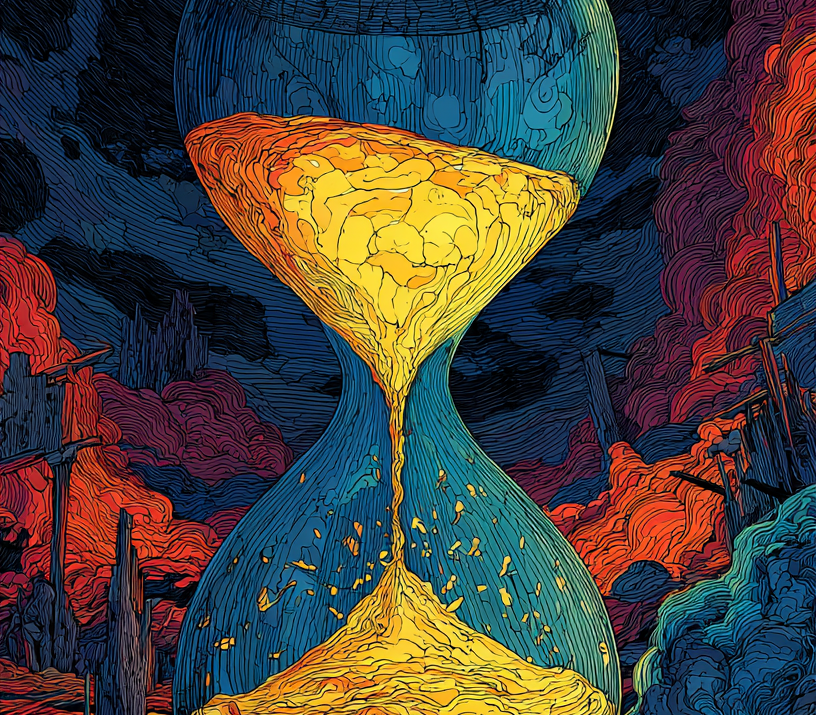

There is a particular kind of pain that only arrives late — the realization that something mattered more than you knew, and you treated it like it would always be there. Psychologists call it the illusion of permanence: the assumption that things will stay as they are, that there will always be more time. Seneca, Jung, and Kierkegaard all warned us that what you delay becomes what you regret.
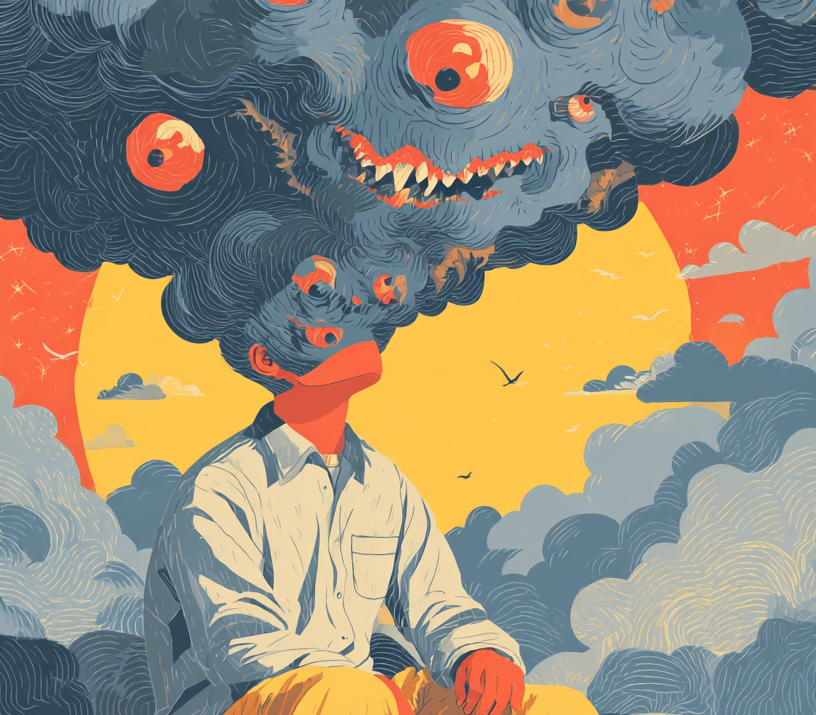
There is a version of events where rejection, criticism, and pain are all working against you. Most people live inside that version. These five ideas — drawn from Jung, Nietzsche, Seneca, Aristotle, and Marcus Aurelius — won’t make life easier. They’ll make it more legible.
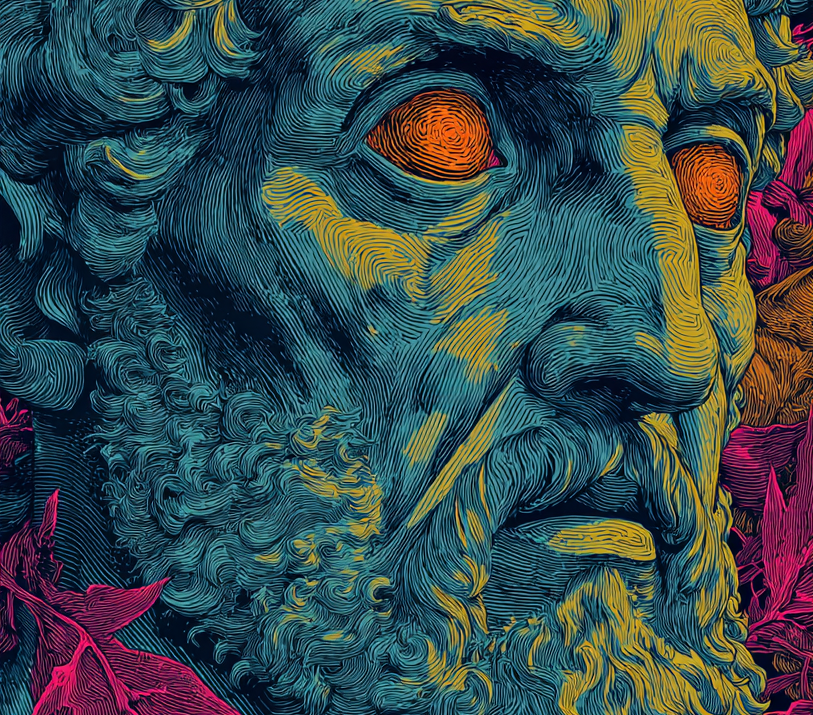
Most self-improvement advice tells you to add more. The ancient philosophers went the other way. These ten habits — from self-deception to waiting for the perfect moment — are quietly running the opposite direction from who you want to become. The shift that makes a real difference is not motivation. It is identity.
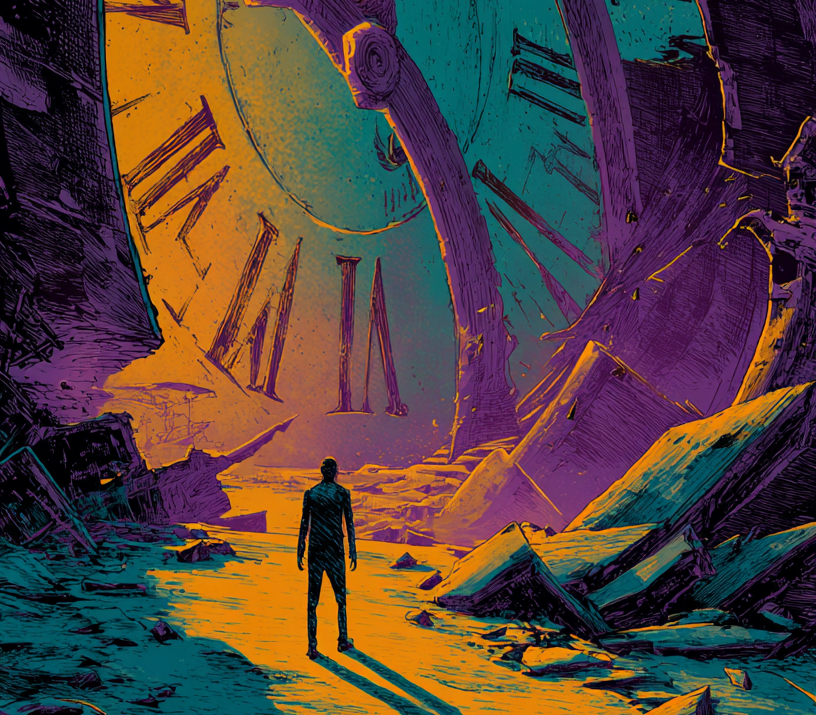
Potential is comfortable. It asks nothing of you today. But Napoleon Hill spent decades studying people who built something real — and what he found wasn’t talent or intelligence. It was action. This post explores why infinite preparation is just procrastination with better branding.
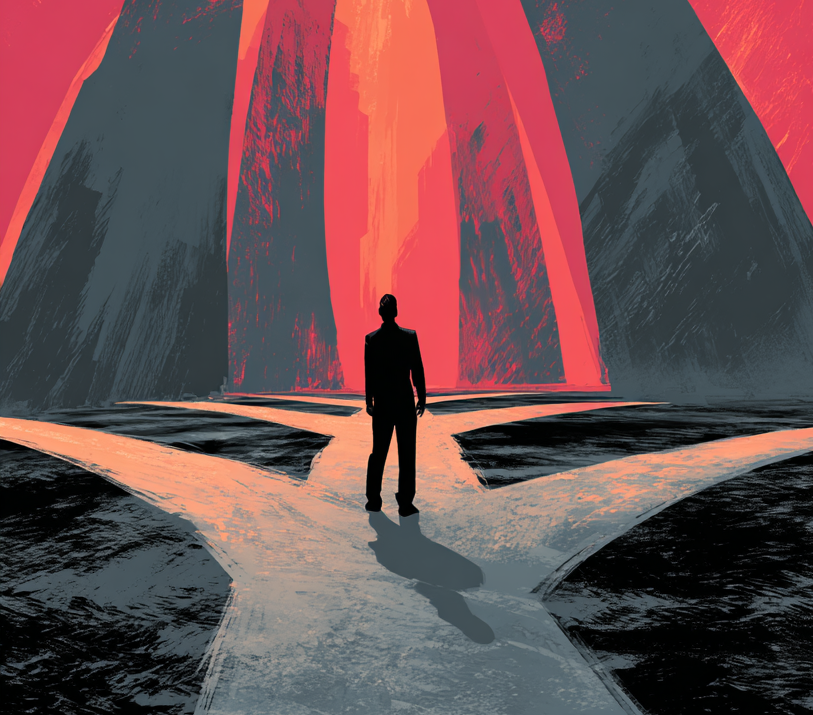
Every decision feels like yours. But Schopenhauer argued that while you’re free to act on your desires, you were never free to choose them in the first place. This post explores one of philosophy’s most unsettling ideas — and what it means for how you actually live.