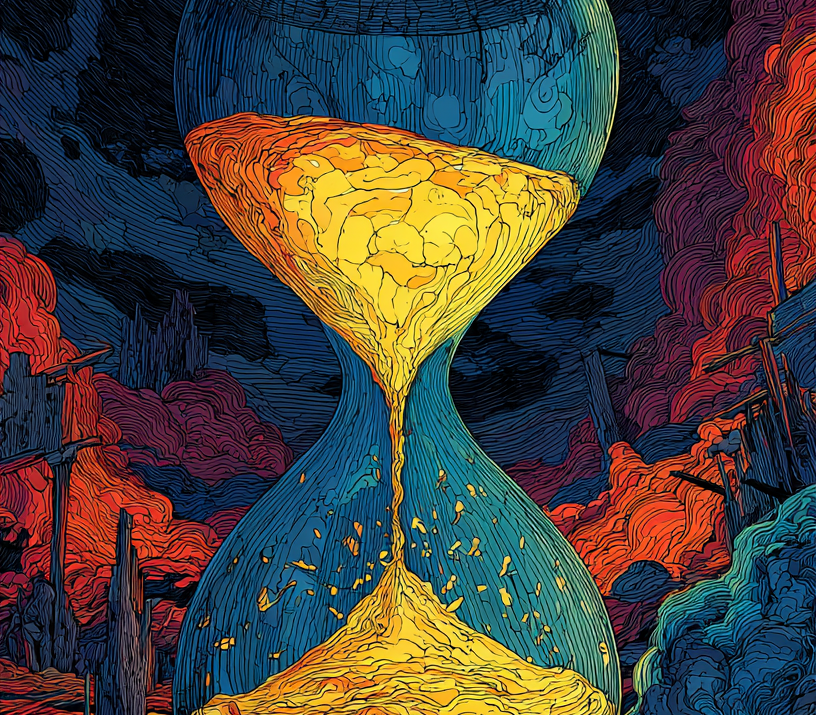

There is a particular kind of pain that only arrives late — the realization that something mattered more than you knew, and you treated it like it would always be there. Psychologists call it the illusion of permanence: the assumption that things will stay as they are, that there will always be more time. Seneca, Jung, and Kierkegaard all warned us that what you delay becomes what you regret.
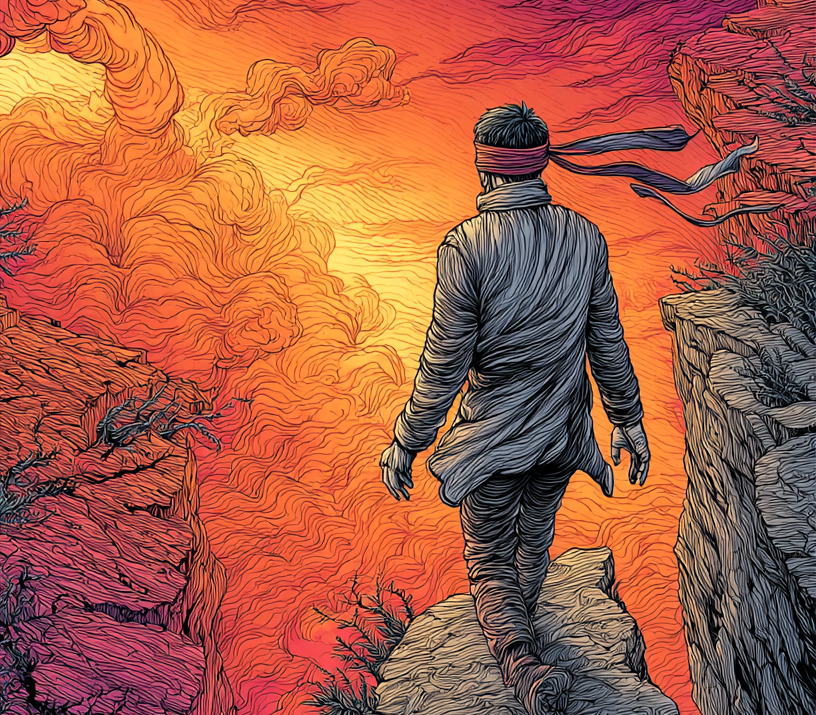
Most self-destruction doesn’t look dramatic — it happens in the quiet moments when you lower your head, accept less than you deserve, or silence yourself to keep the peace. These eight principles, drawn from Stoicism, Jungian psychology, and Nietzsche, reveal the invisible patterns that keep you stuck. The moment you stop breaking yourself is the moment your life stops breaking too.
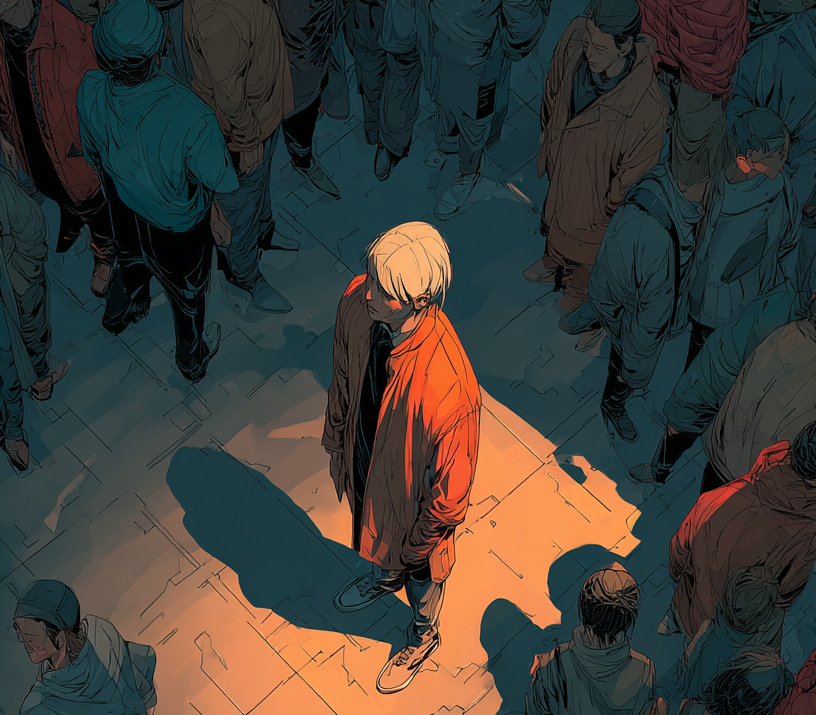
You can be surrounded by people and still feel completely unseen. Most loneliness isn’t about the absence of others — it’s about attracting the wrong kind of presence, for reasons that run deeper than bad luck. Jung and Nietzsche offer an explanation that changes how you understand not just loneliness, but the pattern behind every connection that hasn’t worked.

A cluttered room is easy to dismiss — you’ll deal with it when things slow down. But psychology and philosophy both suggest the mess isn’t the problem. It’s the message. What your space looks like is often a portrait of where you stand emotionally, and understanding that changes everything about how you approach the cleanup.
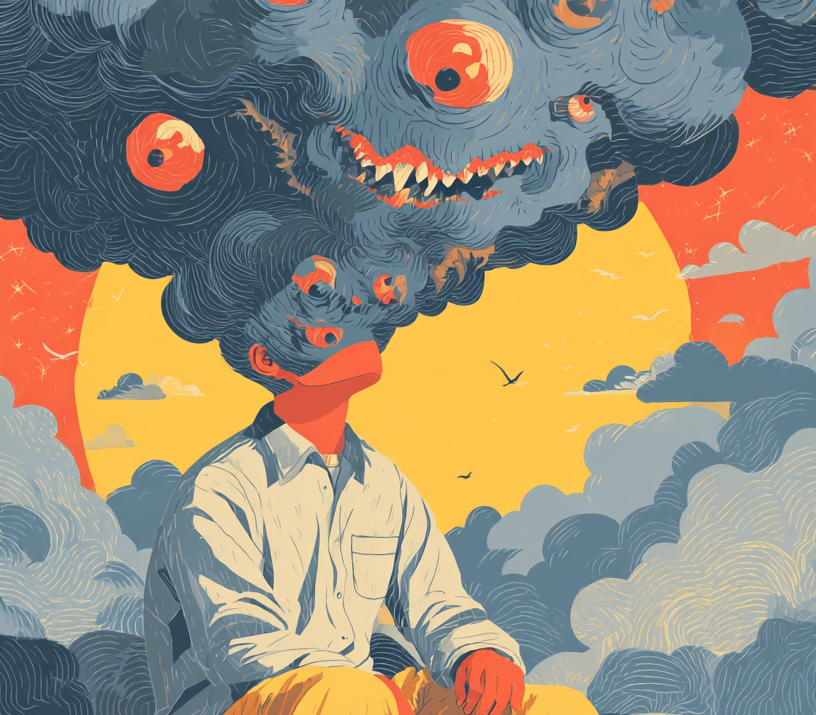
There is a version of events where rejection, criticism, and pain are all working against you. Most people live inside that version. These five ideas — drawn from Jung, Nietzsche, Seneca, Aristotle, and Marcus Aurelius — won’t make life easier. They’ll make it more legible.
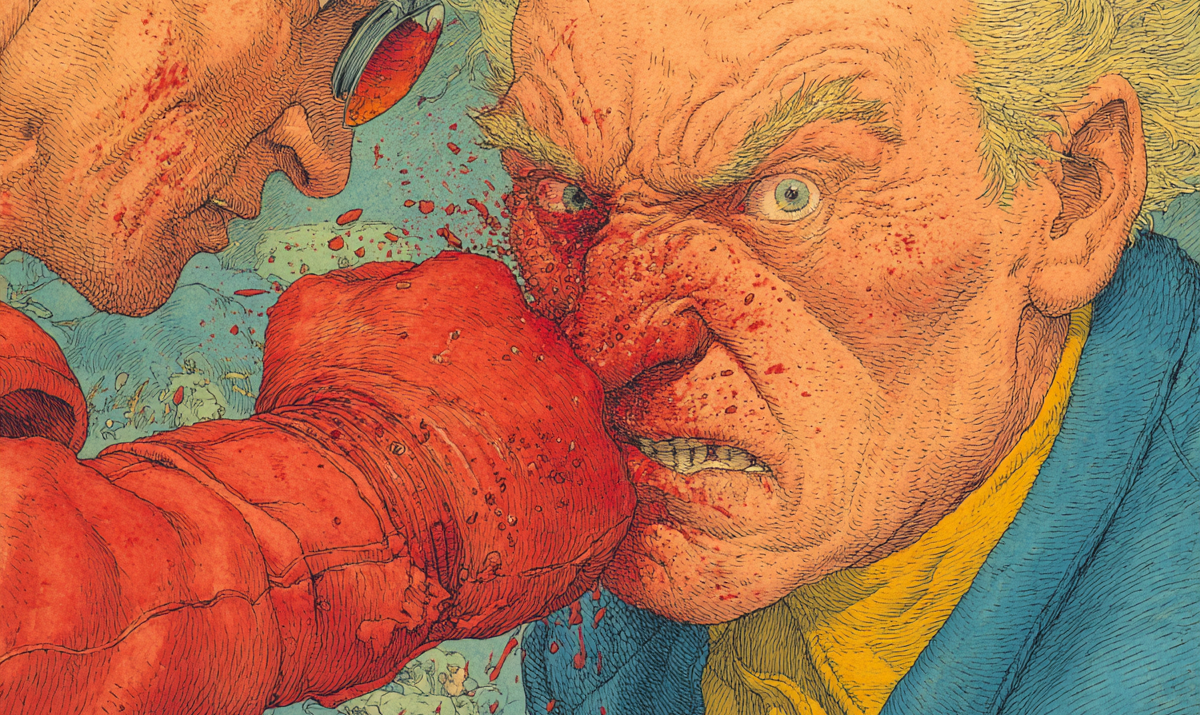
Everyone has a plan until they get punched in the face — and most people use that line to dismiss Stoicism entirely. But the Stoics weren’t building a philosophy for easy days. They were building a training system for the brutal ones. Here’s what that training actually looks like, and why it starts long before the punch arrives.