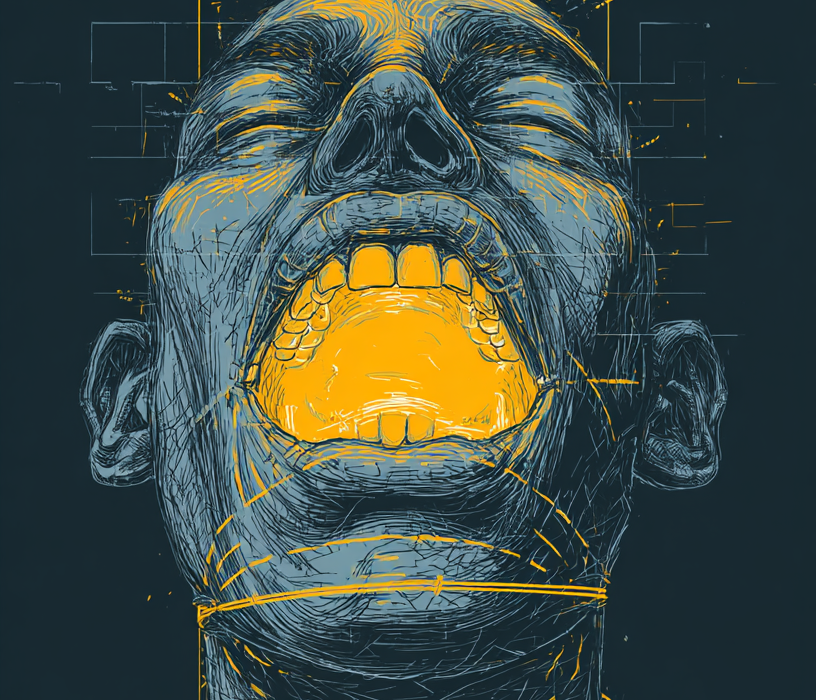
The 5 Second Decision That Shapes Your Identity
Posted in :

The 5 Second Decision That Quietly Shapes Who You Become
Most people believe their identity is shaped by their long-term dreams, ambitions, and goals. We tend to imagine that the person we become is determined by big milestones: choosing a career, starting a business, moving to a new country, or pursuing a passion. But in reality, identity is rarely formed through dramatic moments. More often, it emerges through small decisions that happen almost invisibly in everyday life.
In fact, some psychologists suggest that one of the most decisive moments in human behavior lasts only a few seconds. When we face a challenge, uncertainty, or discomfort, the brain often takes less than five seconds to decide whether we will pursue growth or retreat to comfort. That brief moment of hesitation—so small we barely notice it—can quietly shape the direction of our lives.
Why the Brain Chooses Comfort
The human brain evolved primarily for survival, not for self-improvement. For thousands of years, avoiding risk increased the chances of staying alive. As a result, our minds developed mechanisms that constantly scan for potential threats or discomfort. When something unfamiliar appears—whether it is speaking up in a meeting, starting a creative project, or sharing our work publicly—the brain quickly attempts to protect us.
This protection often appears as hesitation. In those first few seconds, the mind begins generating explanations for why action might be a bad idea. Thoughts such as “maybe later,” “I’m not ready yet,” or “what if this fails?” appear almost instantly. Although these thoughts feel reasonable, they are frequently just the brain’s way of preserving the status quo. Growth, by its nature, involves uncertainty, and uncertainty triggers resistance.
The Stoic Insight About Imagination
Interestingly, ancient philosophers recognized this psychological dynamic long before modern science described it. Stoic thinkers, who focused heavily on mastering the mind, often warned about the dangers of uncontrolled imagination.
The Roman philosopher Seneca captured this idea in a famous observation: “We suffer more in imagination than in reality.” During moments of hesitation, the imagination can quickly exaggerate the consequences of taking action. We imagine embarrassment, rejection, or failure long before any of those things actually happen. In those few seconds, fear expands while the opportunity to act quietly fades away.
As a result, we frequently choose the familiar version of ourselves—the one that feels safe and predictable—instead of the version we claim we want to become.
Identity Is Built Through Small Decisions
It is tempting to think that identity changes through major turning points. However, personal transformation rarely occurs all at once. Instead, it develops through thousands of small decisions repeated over time.
Every day presents subtle moments when we must choose between action and avoidance. We decide whether to begin a task or postpone it. We decide whether to express an idea or remain silent. We decide whether to pursue something meaningful or retreat into comfortable habits.
Individually, these choices seem insignificant. But collectively, they form patterns. And those patterns gradually shape who we become.
Courage Is a Decision, Not a Feeling
One of the most powerful ideas shared by Stoic philosophers is that courage should not be treated as a prerequisite for action. Many people believe they must feel confident or brave before taking a step forward. In practice, however, those feelings often appear only after action has already begun.
Courage, in this sense, is less about emotion and more about timing. When we act quickly—before hesitation expands into fear—we prevent the mind from constructing elaborate reasons to avoid the challenge. The decision to act interrupts the cycle of overthinking and transforms uncertainty into experience.
In other words, courage does not eliminate fear; it simply moves faster than it.
Casting Votes for Your Future Self
Every action we take functions like a small vote for the type of person we want to become. When we move forward despite hesitation, we reinforce the identity of someone who acts, experiments, and learns. When we repeatedly avoid discomfort, we reinforce the identity of someone who waits.
Over time, these votes accumulate. Identity is not defined by a single decision but by the consistent pattern of choices we make across days, months, and years.
The person you become tomorrow is quietly being shaped by the decisions you make today—often within moments so brief you barely notice them.
A Question Worth Asking
The next time you experience hesitation, try observing the moment more closely. Notice the pause that appears before action, and the thoughts that begin to surface. Recognize that your mind is presenting you with a familiar choice: comfort or growth.
Then ask yourself a simple but powerful question:
Who am I becoming in the next five seconds?
Because sometimes the smallest decisions, made almost instantly, are the ones that shape the entire direction of a life.