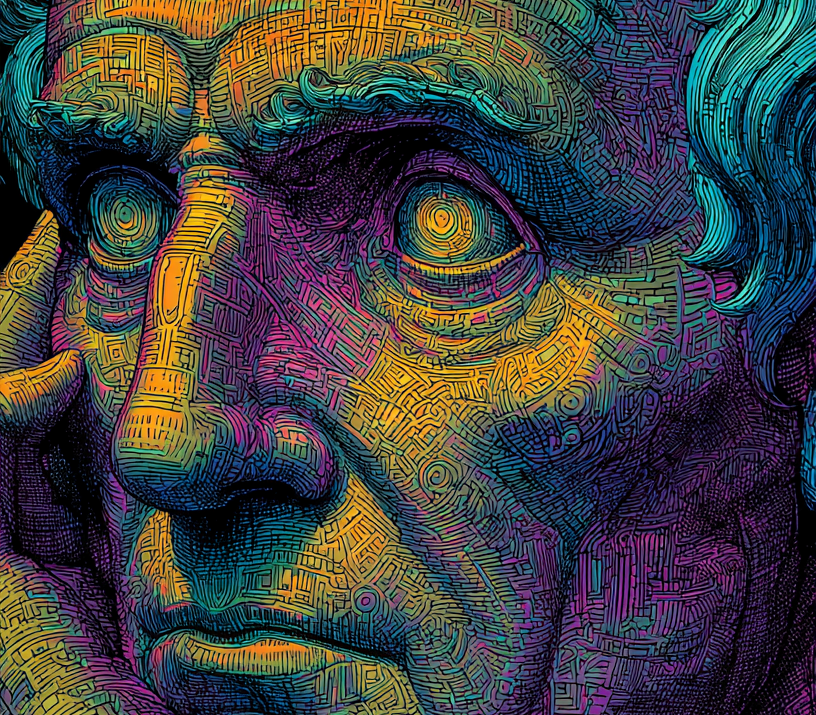

Not every threat arrives loudly. The people who cost you the most are rarely the ones who announce their intentions. Philosophers from Machiavelli to Seneca spent centuries mapping these types of toxic people — and their warnings are more relevant than ever. Here are eight patterns to recognize before the damage becomes too familiar to see.

Mental strength in the Stoic tradition does not look like aggression or relentless pushing. It looks like the pause before a reaction, the boundary held without guilt, the peace protected without apology. These 10 signs reveal what a genuinely strong mind actually looks like — and most of them are quieter than you would expect.

Your mind generates tens of thousands of thoughts every day — and most of them are not telling you the truth. Cognitive distortions are automatic mental patterns that feel like reality but are actually noise. This post breaks down what they are, how they work, and the one shift in awareness that changes everything.

Every decision feels like yours. But Schopenhauer argued that while you’re free to act on your desires, you were never free to choose them in the first place. This post explores one of philosophy’s most unsettling ideas — and what it means for how you actually live.
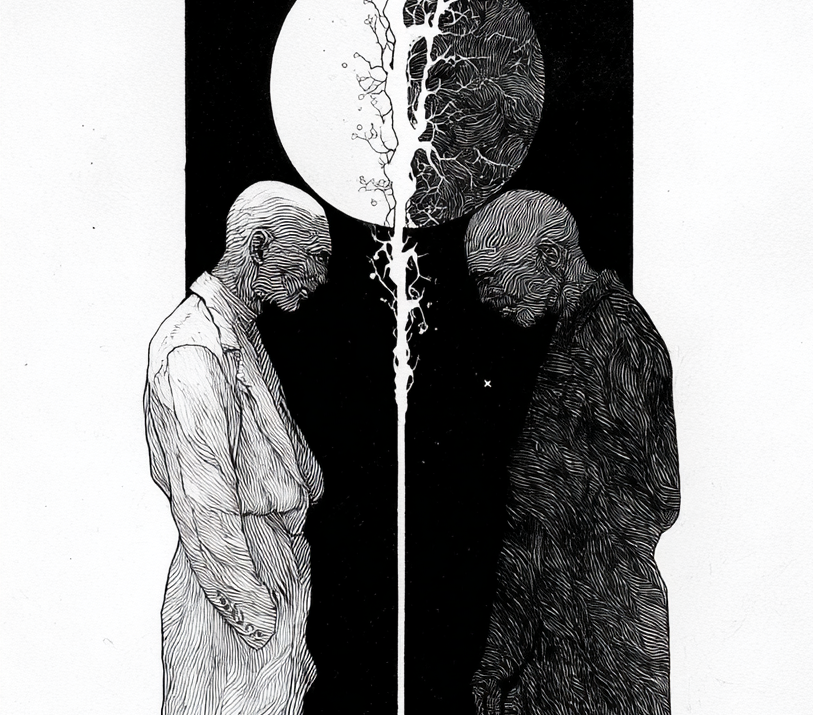
Most self-help advice gets this backwards — it tells you to want harder, visualize more, ask with greater conviction. But your life doesn’t respond to your wishes. It responds to your identity. Carl Jung put it plainly: we don’t attract what we want, but what we are — and the psychology behind that idea changes everything.